
Water Damage Restoration in Batavia, IL
When water is flooding your Batavia home, every minute counts. We extract standing water, dry the structure, and prevent mold — fast. Locally owned, serving Kane County since 1987.
Serving Batavia and Kane County from our Crystal Lake office.
- Powerful truck-mounted extraction
- Locally owned · Since 1987
- 500+ Google reviews· 4.7★
Water Damage in Batavia — What Homeowners Need to Know
Batavia is one of the oldest communities on the Fox River, with a downtown and historic district that date to the 1830s. The city bills itself as the "City of Energy," and its water damage profile reflects the challenges of maintaining both very old and modern residential construction in a river corridor built on Northern Illinois clay.
The Fox River runs through the center of Batavia, and the properties closest to the river — in the historic district and along the riverwalk — are the most vulnerable. These include homes with limestone and fieldstone foundations from the mid-1800s that were built with no waterproofing whatsoever. During normal conditions, these basements are simply damp. During high river stages or heavy spring rains, they flood through every joint, crack, and porous stone surface.
Batavia sits downstream from Geneva and St. Charles on the Fox River, which creates a timing challenge. During regional flood events, water released from upstream communities takes hours to reach Batavia. Homeowners can watch the rain stop, assume the worst has passed, and then experience rising water in their basements hours later as the flood crest moves downstream. We have responded to Batavia calls where the flooding started six to eight hours after the heaviest rain.
The subdivisions built in the 1980s-2000s — Tanglewood Hills, Settlers Hill, and the Northeast Batavia developments — sit on higher ground but face the standard Kane County clay soil challenges. Heavy glacial clay holds moisture and creates sustained hydrostatic pressure against foundations after rain events. Sump pump reliability is critical in these homes, and the original builder-grade pumps in the 1980s and 1990s homes are well past their expected lifespan.
We serve Batavia from Algonquin, about 32 minutes south via IL-25 through Elgin, and can reach any Batavia address quickly for emergency water extraction.
How We Restore Water-Damaged Batavia Homes — Step by Step
Same proven process for every job, refined over 40+ years of cleaning and restoring homes across Northern Illinois.
- 1
Emergency Response
Our Crystal Lake office is roughly 32 minutes' drive from Batavia. We answer the phone 24/7. When you call, we dispatch a technician to your home as fast as possible — because every hour of standing water increases the damage to your floors, walls, and belongings.
- 2
Damage Assessment
We use moisture meters and thermal imaging to map exactly where the water has traveled — behind walls, under flooring, inside cabinets. You get a clear scope of work and honest assessment before we start.
- 3
Water Extraction
Our powerful extraction system removes standing water fast. We pull water from carpet, pad, hardwood, tile grout lines, and any other affected surface — far more than a shop vac or portable unit can handle.
- 4
Structural Drying
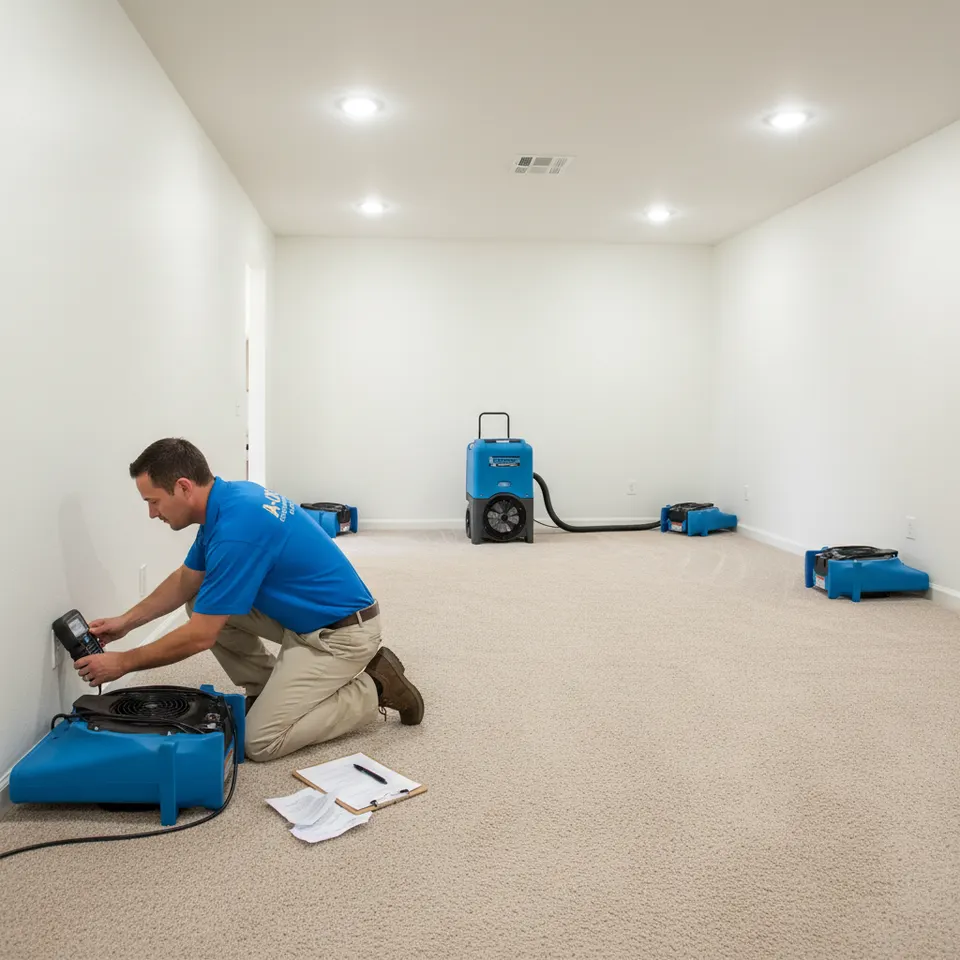
We place commercial-grade dehumidifiers and high-velocity air movers throughout the affected area. We monitor moisture levels daily and adjust equipment placement until every surface reads dry.
- 5
Cleaning & Sanitizing
Floodwater and sewage backups carry bacteria. We clean and sanitize all affected surfaces, treat for odor, and apply antimicrobial agents to prevent mold growth before it starts.
- 6
Final Inspection
We do a final moisture check on every wall, floor, and cavity we treated. You get documentation of pre- and post-moisture readings — useful for insurance claims and your own peace of mind.
Why Batavia Homes Are Vulnerable to Water Damage
Batavia has FEMA flood zones along the Fox River, which runs through the center of the city. The historic district and riverwalk area sit adjacent to the floodplain, and properties along both banks have experienced flooding during high river stages. The city's floodplain management program has implemented significant mitigation measures.
Batavia's soil includes Fox River alluvial deposits near the waterway and glacial clay on the uplands. The historic district sits on river terrace deposits that drain better than the clay but are vulnerable to river-level changes. The eastern and western subdivisions have the standard Kane County clay that holds moisture and creates hydrostatic pressure.
The historic district has homes from the 1840s-1920s with stone and block foundations, while the subdivisions like Tanglewood Hills and Settlers Hill from the 1980s-2000s have poured-concrete foundations — the oldest homes carry far more water risk.
Fox River Flooding
The Fox River runs through central Batavia and the city has experienced significant floods. Properties near the riverwalk and in the historic district are in the FEMA floodplain and face direct flood risk during high river stages.
Historic Foundation Vulnerability
Batavia's historic district has homes dating to the 1840s with limestone, fieldstone, and early-block foundations. These foundations have no modern waterproofing and leak through mortar joints, stone interfaces, and any crack that has developed over 100+ years of freeze-thaw cycling.
Downstream Fox River Effects
Batavia sits downstream from Geneva and St. Charles on the Fox River. During flood events, water released from upstream dams and spillways reaches Batavia with a lag, meaning the city can experience rising water hours after the rain has stopped — catching homeowners off guard.
Types of Water Damage We Restore in Batavia
Basement Flooding
Sump pump failures, foundation cracks, hydrostatic pressure from saturated clay soil, and rising water tables all cause basement floods. We extract the water, dry the space, and help you prevent it from happening again.
Burst & Frozen Pipes
Northern Illinois freeze-thaw cycles from December through March put enormous stress on plumbing. When a pipe bursts — in a wall, ceiling, or crawl space — we respond fast to stop the spread and dry the structure.
Appliance Leaks & Overflows
Water heaters, washing machines, dishwashers, and refrigerator ice lines can leak slowly for weeks before you notice. By the time the floor buckles or the ceiling stains, the damage is often extensive. We find and dry it all.
Storm & Rain Damage
Illinois averages 36-40 inches of rain per year, concentrated in spring and summer thunderstorms. Roof leaks, window well flooding, and overwhelmed gutters send water into places it was never meant to go.
Sewage Backup
Combined sewer systems in older Illinois cities back up during heavy rain, sending contaminated water into basements. This is a Category 3 (black water) event that requires professional extraction, disinfection, and drying.
If your Batavia home has water where it shouldn't be, call us now at 847-474-9437. The sooner we start, the less damage you'll have.
Water Damage Restoration Throughout Batavia and Nearby Communities
Batavia Neighborhoods We Serve
- Batavia Historic District
- Northeast Batavia
- Tanglewood Hills
- Settlers Hill
- Riverwalk area
- Southwest Batavia
Batavia ZIP Codes
- 60510
Nearby Towns Served
- North Aurora
- Mooseheart
- Warrenville
- West Chicago
Water Damage Restoration in Adjacent Cities
Water Damage Restoration FAQs — Batavia, IL
How quickly can you get to my home after I call?
We respond to water damage emergencies 24/7. Depending on your location in our service area, a technician can typically be on-site within 2 hours of your call — often faster. The sooner we start extraction, the less secondary damage occurs.
Does homeowner's insurance cover water damage restoration?
Most homeowner's policies cover sudden and accidental water damage — burst pipes, appliance failures, storm damage. They typically do not cover flood damage (that requires separate flood insurance) or damage caused by deferred maintenance. We help document the damage for your insurance claim and work directly with your adjuster.
How long does the drying process take?
Most residential water damage jobs take 3-5 days of active drying with commercial dehumidifiers and air movers. The exact timeline depends on the volume of water, the materials affected (drywall dries faster than hardwood), and the ambient humidity. We monitor moisture levels daily and remove equipment only when readings confirm everything is dry.
Can water damage cause mold?
Yes. Mold can begin growing on wet surfaces within 24-48 hours. That's why speed matters — the faster we extract water and begin drying, the lower the risk of mold. We also apply antimicrobial treatments to affected areas as part of our standard process.
Can Batavia flooding from the Fox River affect my home even if the rain has stopped?
Yes. Batavia sits downstream from Geneva and St. Charles on the Fox River, so flood crests can arrive hours after the rain has ended. Water released from upstream locations travels downstream at the speed of the current, not the speed of the storm. We've responded to Batavia homes where the basement started flooding 6-8 hours after the heaviest rain. During flood warnings, monitor the NOAA Fox River gauge at Batavia even after the rain stops.
Water in Your Batavia Home? Call Now.
We're roughly 32minutes' drive from Batavia via IL-25 south through Elgin. Our team responds 24/7 — nights, weekends, and holidays. Every hour of standing water increases the damage. Don't wait.